 Green
GreenBright & Green sucht Flächen für Rechenzentren und Batteriespeicher — zur Pacht oder zum Kauf
Bright & Green sucht bundesweit größere Gewerbe- und Industrieflächen in der Nähe eines Umspannwerks oder einer Hochspannungsleitung. Ob eine Fläche verpachtet oder verkauft wird, entscheiden Sie; beide Vertragsformen sind möglich.
Deutschlandweit
Bright & Green entwickelt Rechenzentren und Batteriespeicher im gesamten Bundesgebiet. Maßgeblich ist nicht die Region, sondern die Lage zum Netz: Standorte entstehen dort, wo Anschlussleistung verfügbar ist.
Keine Beschränkung auf Regionen
Bright & Green prüft Flächen in allen Bundesländern. Ausschlaggebend sind Netzanschluss, planungsrechtliche Ausweisung und Zuschnitt der Fläche.
Die Lage zum Netz entscheidet
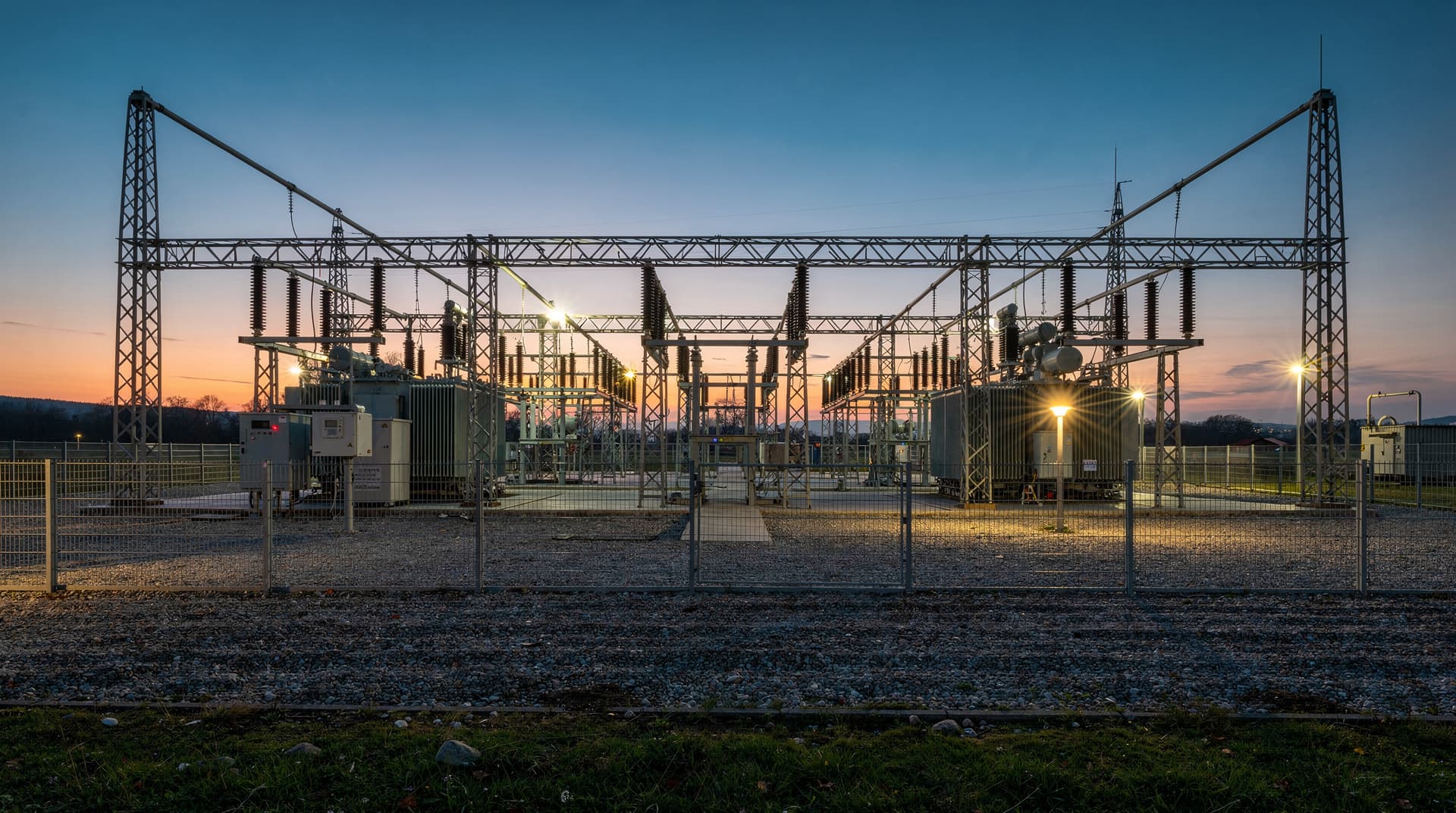
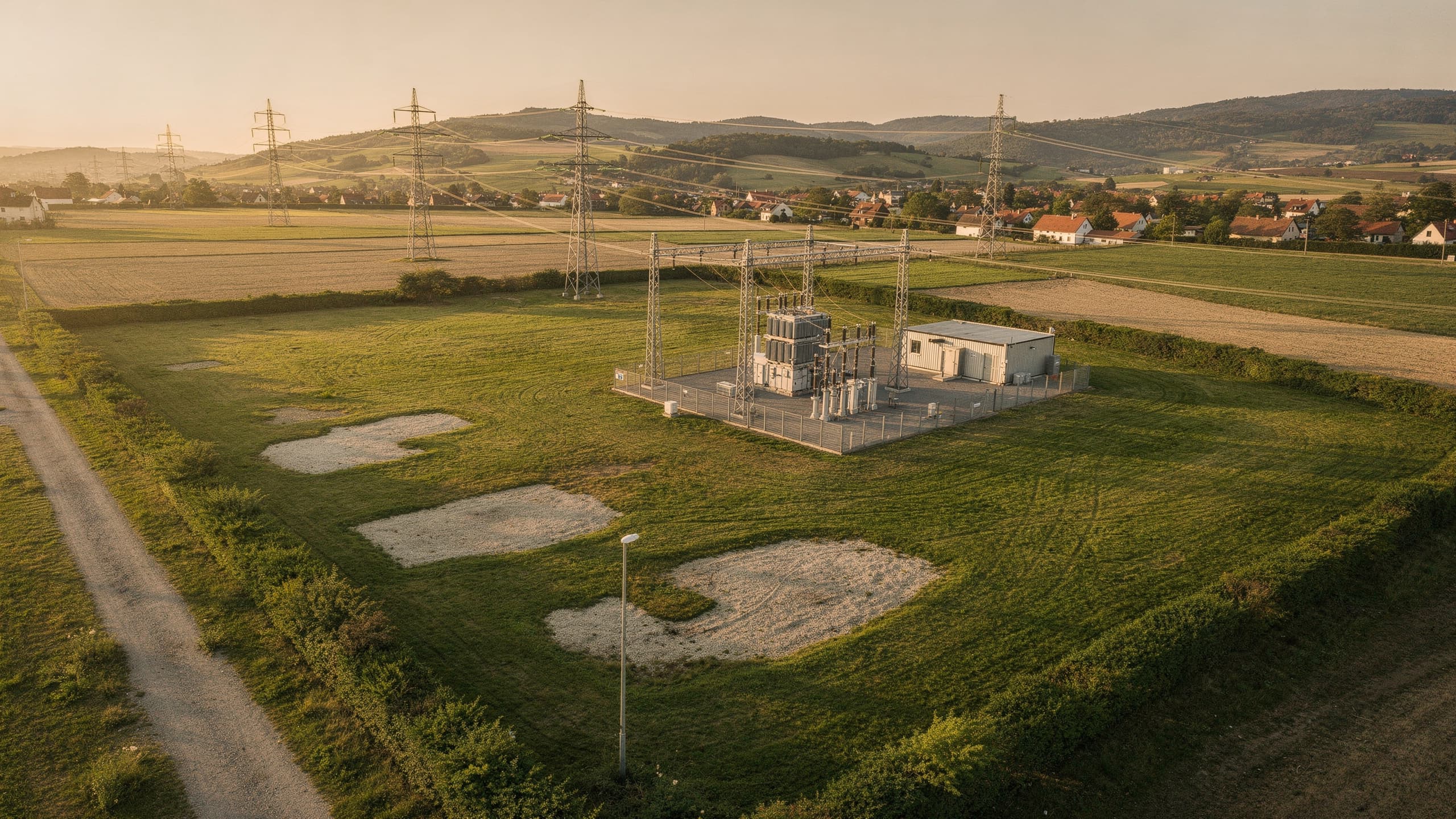
Ein Umspannwerk oder eine Hochspannungsleitung in erreichbarer Entfernung ist das wichtigste Merkmal einer geeigneten Fläche.
Pacht und Kauf gleichrangig
Ob Sie verpachten oder verkaufen möchten, entscheiden Sie. Beide Wege sind möglich und werden mit derselben Sorgfalt geprüft.
Kriterien für einen geeigneten Standort
Sechs Merkmale entscheiden, ob aus einer Fläche ein Standort für einen Batteriespeicher oder ein Rechenzentrum wird. Die Beurteilung übernimmt Bright & Green; für eine erste Einschätzung genügen Ort und Größe.
Größe und Zuschnitt
Ein Batteriespeicher kommt mit wenigen tausend Quadratmetern aus, ein Rechenzentrum benötigt deutlich mehr Fläche: zusammenhängend, weitgehend eben und über eine befestigte Straße für Schwerlastverkehr erreichbar. Wichtiger als die Größe ist die Entfernung zum Netz.
Umspannwerk oder Hochspannungsleitung in der Nähe
Die Entfernung zum nächsten Umspannwerk oder zur nächsten Hochspannungsleitung ist das wichtigste Merkmal einer Fläche, weil sie bestimmt, ob und wann ein Standort eine Netzanschlusszusage erhält. Liegen Ihnen dazu keine Angaben vor, ermittelt Bright & Green sie bei der Standortprüfung.
Glasfaser
Ein Rechenzentrum benötigt redundante Glasfaseranbindungen. Vorhandene Trassen an oder nahe der Fläche sind ein Vorteil; für einen Batteriespeicher ist die Anbindung ohne Bedeutung.
Gewerbliche Ausweisung
Eine Gewerbe- oder Industriefläche mit gültigem Bebauungsplan verkürzt den Weg zur Genehmigungsfähigkeit erheblich. Ohne Bebauungsplan bleibt eine Entwicklung möglich, erfordert jedoch ein Bauleitplanverfahren und entsprechend mehr Zeit, bei einem Rechenzentrum deutlich mehr.
Abstand zur Wohnbebauung
Die Kühlung ist im Betrieb hörbar, die Notstromaggregate bei ihren Probeläufen. Die zulässigen Immissionswerte an der nächsten Wohnbebauung werden in jedem Genehmigungsverfahren nachgewiesen. Ein größerer Abstand vereinfacht dieses Verfahren, für Speicher und Rechenzentrum gleichermaßen.
Wasser und Abwärmeabnehmer
Ein Wasseranschluss für die Kühlung und ein Abnehmer für die Abwärme in der Nähe — ein Wärmenetz, ein Industriebetrieb, ein Gewächshaus — erhöhen die Qualität eines Rechenzentrumsstandorts. Voraussetzung für eine Entwicklung sind sie nicht.
Was auf der Fläche entsteht
Ein Batteriespeicher ist kein Kraftwerk und ein Rechenzentrum keine Fabrik. Die folgenden Punkte beschreiben, welche Bauwerke auf einer Fläche entstehen und wie sie sich im Betrieb bemerkbar machen.
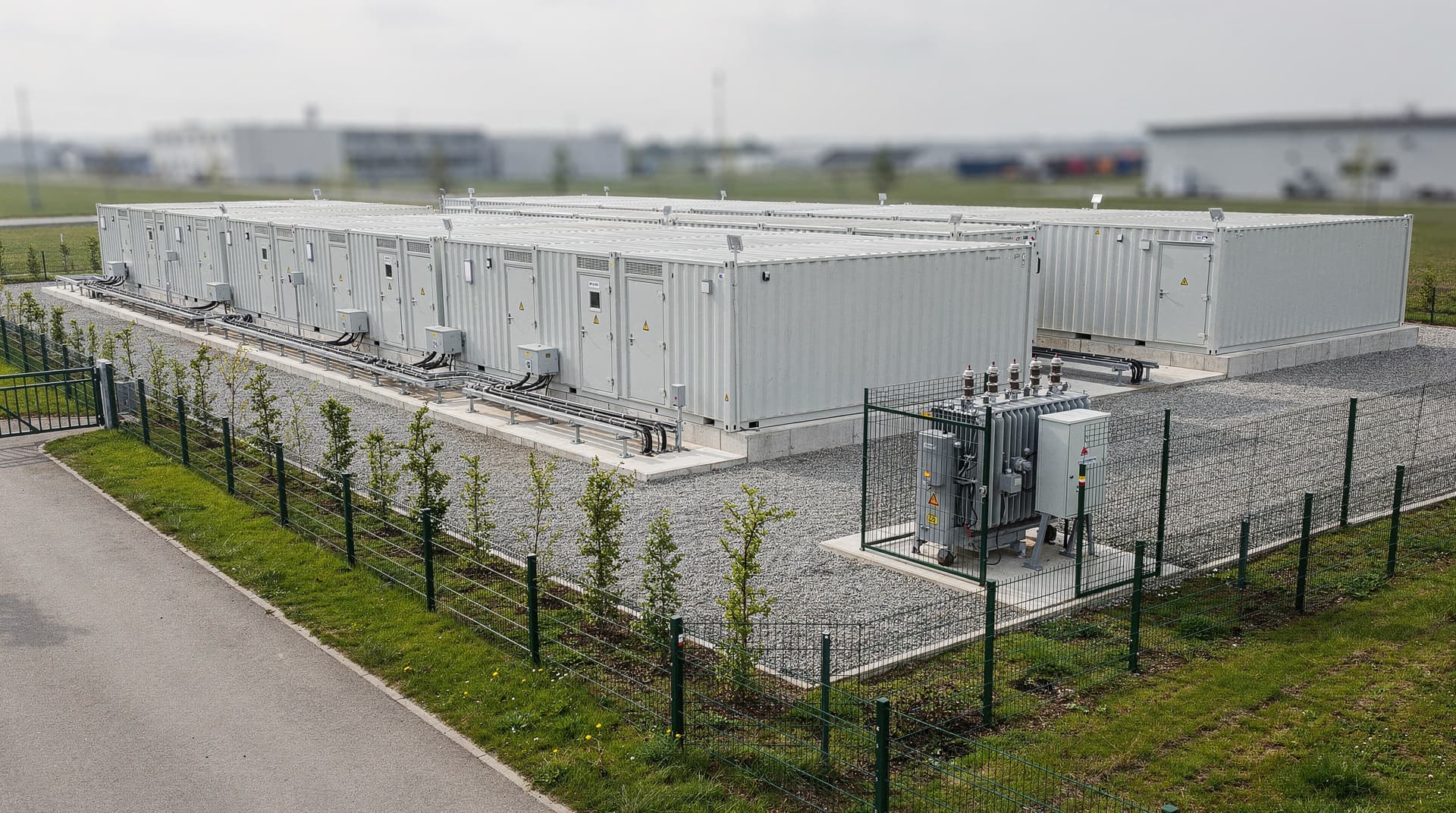
Batteriespeicher: Container in Reihen auf Fundamenten
Hinzu kommen Schaltanlage, Transformator und befestigte Wege zwischen den Reihen. Die Bauhöhe bleibt unter der eines Wohnhauses.
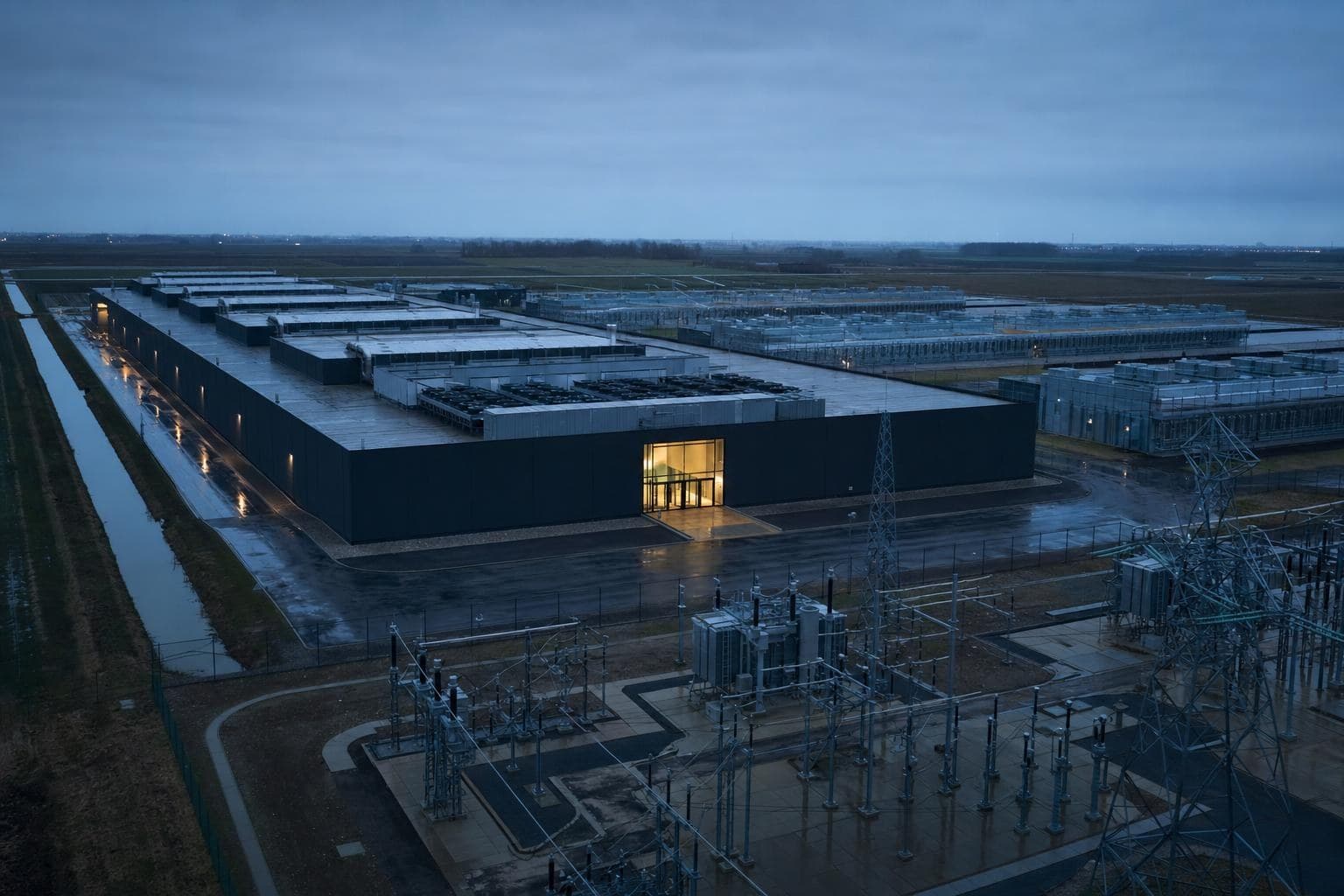
Rechenzentrum: Hallen und ein eigenes Umspannwerk
Fensterlose Hallen mit Kühlaggregaten auf dem Dach, dazu Trafostation, Notstromaggregate und eine Zufahrt für Schwerlastverkehr. Die Bauhöhe entspricht einer Gewerbehalle, der Betrieb läuft rund um die Uhr.
Zaun, Eingrünung und Geräuschentwicklung
Ein Sicherheitszaun ist vorgeschrieben, eine Hecke oder Baumreihe davor in den meisten Genehmigungen ebenfalls; Bright & Green legt die Eingrünung an und übernimmt ihre Pflege. Kühlung und Notstromtests sind hörbar, weshalb die zulässigen Werte an der nächsten Wohnbebauung messtechnisch nachgewiesen werden.
Nach Ablauf der Laufzeit
Ein Batteriespeicher wird zurückgebaut: Container, Fundamente und Kabel. Ein Rechenzentrum ist ein dauerhafter Gewerbebau; ob die Fläche dafür erworben oder langfristig gepachtet wird, vereinbart Bright & Green im Einzelfall mit Ihnen.
Vorteile für Eigentümer
Einnahmen über die gesamte Laufzeit
Die Vergütung ist vertraglich vereinbart und unabhängig von Ernte, Wetter und Strompreis. Ihre Höhe richtet sich nach Lage und Größe der Fläche und wird für Ihren Standort konkret berechnet.
Kein unternehmerisches Risiko
Planung, Genehmigung, Bau, Betrieb und Rückbau verantwortet Bright & Green. Sie stellen die Fläche zur Verfügung, nicht das Kapital.
Bei Pacht bleibt das Eigentum bei Ihnen
Ein Eigentumswechsel findet nicht statt. Gesichert wird die Nutzung über eine beschränkt persönliche Dienstbarkeit; die Einzelheiten dazu stehen weiter unten.
Verkauf als gleichwertige Alternative
Wenn Sie eine einmalige Veräußerung einer langjährigen Vertragsbeziehung vorziehen, erwirbt Bright & Green die Fläche. Pacht und Kauf werden mit derselben Sorgfalt geprüft.
Ein Ansprechpartner von der Prüfung bis zum Betrieb
Bright & Green entwickelt, baut und betreibt die Anlagen selbst. Die Zuständigkeit verteilt sich nicht auf eine Kette von Vermittlern und Nachunternehmern.
Fragen von Flächeneigentümern
Die folgenden Punkte kommen in nahezu jedem Gespräch zur Sprache. Sie betreffen Rückbau, Haftung, Grundbuch und Steuern und werden hier vorab beantwortet.
Von der Anfrage bis zum Betrieb
Der Weg von der ersten Anfrage bis zur Inbetriebnahme umfasst fünf Schritte. Die längste Phase sind Genehmigung und Netzanschluss; beide verantwortet Bright & Green.
Anfrage
Sie nennen Ort, Größe und Art der Fläche. Angaben zu Bebauungsplan und Netzanschluss sind hilfreich, aber keine Voraussetzung für die Anfrage.
Standortprüfung
Bright & Green prüft Netzanschluss, Planungsrecht, Zuwegung und Zuschnitt und meldet das Ergebnis zurück, auch dann, wenn der Standort nicht geeignet ist.
Angebot
Sie erhalten ein Angebot für Pacht oder Kauf, in dem Laufzeit, Konditionen und die oben genannten vertraglichen Regelungen schriftlich festgehalten sind.
Vertrag und Genehmigung
Nach der Unterzeichnung beginnt das Genehmigungsverfahren. Es dauert je nach Standort und Behörde deutlich länger als der Bau; über den Stand werden Sie laufend informiert.
Bau und Betrieb
Errichtung und Inbetriebnahme, anschließend Überwachung und Wartung durch Bright & Green. Ihre Zahlungen erfolgen nach der vertraglich vereinbarten Regelung.
Ein Entwickler, der auch baut und betreibt
Flächen werden derzeit von vielen Marktteilnehmern gesucht. Entscheidend ist, wer anschließend baut und die Anlage über die gesamte Laufzeit in Betrieb hält. Bright & Green entwickelt, baut und betreibt Rechenzentren und Batteriespeicher selbst, auf Grundlage der Erfahrung aus dem Solargeschäft, aus der die folgenden Zahlen stammen.
- 0+
- gebaute Solaranlagen
- 0+
- Jahre Erfahrung
- 0,5–100 MWp
- Projektgröße
- 3–6 Mon.
- Umsetzungszeit
Dach- und Freiflächenanlagen
In Deutschland und den Niederlanden
Von der kleinen Anlage bis zum Freiflächenprojekt
Vom Baubeginn bis zur Inbetriebnahme
Pacht und Kauf im Vergleich
Der Rechner stellt beide Vertragsformen für Ihre Fläche gegenüber. Er läuft ohne Anmeldung, und die eingegebenen Werte werden nicht an Bright & Green übertragen.
Angaben zu Ihrer Fläche
Für eine erste Einschätzung genügen Ort und Größe. Bei allen weiteren Feldern ist „unbekannt“ eine übliche und ausreichende Antwort.
Direkter Kontakt
Rufen Sie an oder schreiben Sie uns; für eine erste Einschätzung genügt ein kurzes Gespräch.